Our News

Uses For A Hard Money Loan in 2026

uses-for-a-hard-money-loan-in-2026-2

Hard money loans are still very significant for real estate investing and short-term finance in 2026. Hard money loans are based on assets, are easier to get, and are more flexible than regular bank loans. They are often employed when the timing, condition of the property, or the borrower’s situation makes traditional financing impossible.

Knowing the most common reasons people get hard money loans can help borrowers figure out if this form of loan is good for them.

Projects to Fix and Flip Real Estate

Fix-and-flip real estate projects are one of the most common uses for hard money loans. Traditional lenders may not want to lend money for houses that are in bad shape, while hard money lenders are more interested in the property’s value following repairs. They can often close in days instead of weeks.

Bridge Financing for a Short Time

People sometimes employ hard money loans as bridge loans. This kind of loan enables people who are buying and selling homes or moving from one loan to another fill in short gaps. For instance, an investor might take out a hard money loan to buy a new property before selling an old one.

Bridge financing is still a good option for transactions that need to be done quickly in the fast-paced real estate market of 2026.

Buying Investment Properties

Hard money loans are typically used by investors who can’t get regular financing because of credit problems, trouble proving their income, or the type of property they want to buy. People often utilize these loans to buy rental properties, multi-family units, or unique properties that don’t fit inside the usual lending rules.

Hard money loans are flexible for both new and experienced investors because they are mostly dependent on the worth of the property and not the borrower’s financial history.

Construction and Renovation Projects

People that borrow money may require it to build something from the ground up, add on to something, or do a lot of remodeling. In many circumstances, money is released in phases as work is done, which helps keep projects on schedule.

Buying at Foreclosure and Auction

If you buy a property in a foreclosure auction or tax sale, you usually have to pay right away. Hard money loans give investors quick access to cash, which lets them buy these properties before their competitors do. In these cases, speed is quite important, and hard money lenders are generally able to meet tight deadlines.

Business and Cash Flow Needs

Some people who borrow money employ hard money loans to meet short-term business or cash flow demands related to real estate. This could include paying for unforeseen costs, making renovations, or keeping your finances stable until you can get longer-term funding.

Let’s Get Started

Brad Loans can help you find hard money loans in 2026. Call Brad Loans immediately to talk about your project, go over your financing alternatives, and get quick, dependable cash that fits your real estate ambitions.

Phoenix Hard Money Real Estate Loans

If you’re interested in getting involved with real estate investing and need the capital to purchase properties hard money is a great way to get started.  Brad Loans has extensive experience in both real estate investing and hard money lending and is proud to offer Phoenix Valley real estate investors the financing they need.  It is easy to get started applying for hard money loan and Brad Loans is able to work with clients with bad credit and no credit. We are your source for hard money when traditional banks say no.  Read more about Brad Loan’s hard money loan programs or get started fill out our hard money loan application or give us a call to ask questions at 602-999-9499.

What Is a Zero-Down Hard Money Loan?

Hard Money Loans In Phoenix When Banks Move Too Slowly

For real estate investors who want to move quickly on a great deal, few tools are more powerful than a hard money loan. These loans are designed for speed, flexibility, and asset-based decision-making rather than the strict requirements of a traditional bank. But what about the much-talked-about zero-down hard money loan? Is it real, how does it work, and who actually qualifies? Here’s what you need to know.

Understanding Zero-Down Hard Money Loans

A zero-down hard money loan is a financing option where the borrower does not bring a down payment to the closing table. Instead, the lender covers 100 percent of the purchase price, and in some cases, may even finance the renovation costs as well. This structure is appealing because it allows investors to acquire property without tying up their own capital upfront.

However, “zero down” doesn’t mean “no cost.” It simply means no down payment is required. Borrowers will still be responsible for standard expenses such as loan origination fees, appraisals, insurance, and any interest payments due during the loan term.

How Lenders Make Zero-Down Loans Possible

Hard money lenders do not make approvals based on credit score alone. Their primary focus is the collateral—the value of the property today and the expected value after renovation (the ARV). A lender may offer a zero-down structure when:

  • The property is significantly under market value

  • The renovation plan is solid and realistic

  • The ARV provides strong protective equity

  • The investor has a proven track record

  • Additional collateral is offered

In other words, the deal must be strong enough that the lender views it as a low-risk investment even without a down payment from the borrower.

Why Zero-Down Does Not Mean Zero Out-of-Pocket

Even when the purchase price is fully funded, borrowers should still expect some upfront expenses. These may include:

  • Loan origination points

  • Closing costs

  • Hazard and builder’s risk insurance

  • Prepaid interest

  • Inspection or appraisal fees

Investors still need access to working capital to manage the project, cover contingencies, and maintain cash flow throughout the renovation period.

Who Qualifies for a Zero-Down Hard Money Loan?

Zero-down loans are not typically offered to first-time investors. They are most often approved for:

  • Experienced fix-and-flip investors

  • Borrowers with successful project history

  • Investors using cross-collateral from another property

  • Buyers securing extremely discounted deals

Every situation is evaluated case-by-case, and the property itself must present a strong profit margin.

Are Zero-Down Loans Right for You?

A zero-down hard money loan can be the right solution for an investor who has the experience, the strategy, and the deal quality to justify the structure. These loans allow you to move quickly, preserve capital, and scale your investing business — but they also come with strict underwriting, higher interest rates, and shorter terms than traditional financing.

If you have a strong investment opportunity and want to explore whether it qualifies for zero-down hard money financing, BradLoans.com can help you understand your options and structure the right loan for your project.

If you live in the Phoenix Valley and would like to get started with growing your real estate portfolio Brad Loans can help!  Our lending service makes it easy for investors to finance new properties as owner occupants.  We can work with bad credit, lend faster, and understand the real estate investment industry with decades of local knowledge in investing, fix and flip, and much more.  Read about our loan programs by clicking here.

Call Today To Start Your Owner Occupant Loan 602-999-9499

[/vc_column_text][/vc_column][/vc_row]

Understanding Loan-to-Value (LTV) Ratio

Understanding Loan-to-Value (LTV) Ratio

What Is LTV Loan To Value Ratio

What is the Loan-to-Value (LTV) Ratio and Why Does It Matter for Getting a Loan?

Lenders need a quick and accurate way to figure out how risky a loan is when you apply for one, whether it’s a personal loan, an auto loan, or a title loan. The Loan-to-Value (LTV) ratio is one of the most essential instruments they have. If you want to borrow money against your car or another asset, knowing about LTV can help you figure out what to expect, what you can receive, and how to secure the best deal.

What Is LTV, Exactly?

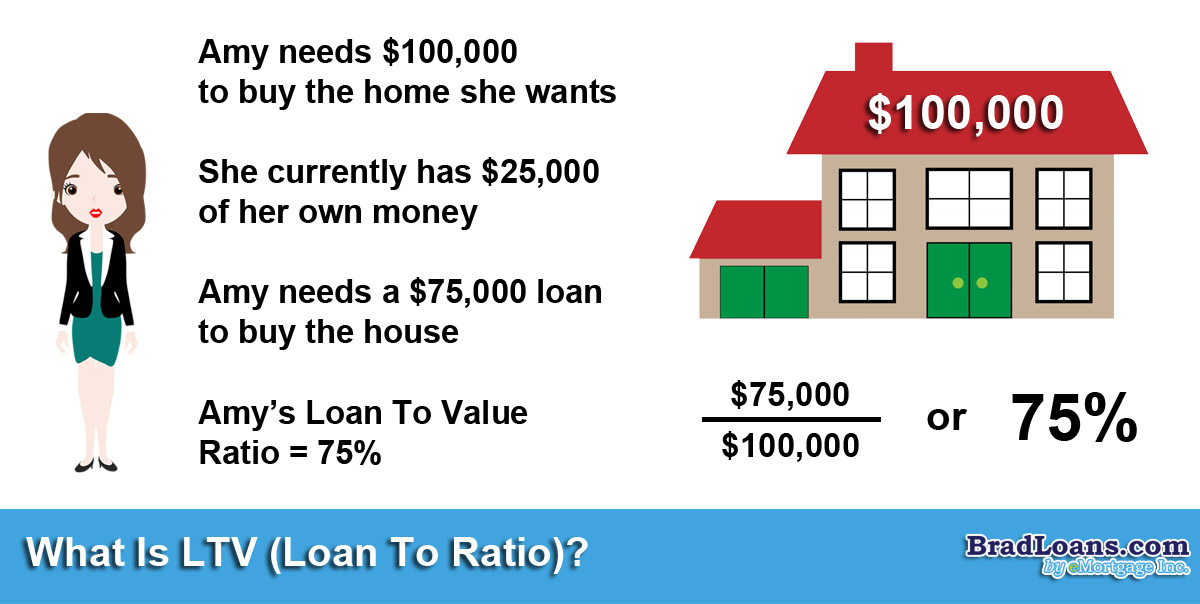
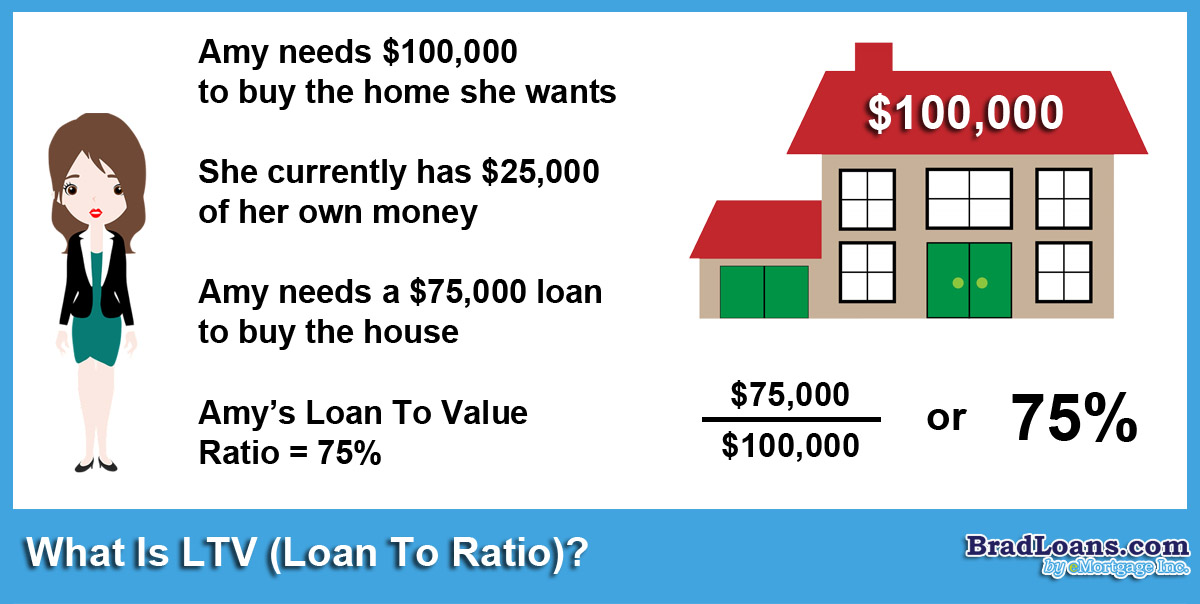
The Loan-to-Value Ratio (LTV) is a statistic that shows how much you want to borrow compared to the value of the asset you want to borrow against. It is written as a percentage:

LTV = (Loan Amount ÷ Appraised Value of Asset) × 100

The LTV is 50% if you borrow $4,000 on a car that is worth $8,000. The lender can see how much of the asset’s value is being used as collateral.

Why LTV Is So Important

LTV is very important to lenders since it tells them how risky a loan is.

Less LTV means less risk.
The lender has a lot of protection when the loan amount is minimal relative to the value of the asset. This usually implies that you can get your loan approved sooner, get a better interest rate, or borrow more money.

More LTV means more risk.
The lender is less protected if the asset loses value or needs to be sold if the loan amount is close to the asset’s worth. People that borrow money with high LTV ratios may have to meet tougher standards, pay higher interest rates, or get less money.

At BradLoans.com, we do our best to look at each application on its own, but LTV is still one of the most important things that decides how much you can borrow.

How LTV Changes Auto and Title Loans

LTV is very important for auto-title loans because your car is the collateral. A lender looks at the make, model, year, mileage, and overall condition of your car to figure out how much it is worth. After that value is known, the LTV rules are used to figure out how much the loan will be.

Most title lenders will grant you money in the 40% to 70% LTV range, depending on how good the car is and how much money you have. A automobile that is well-kept and has minimal mileage can typically get the higher end of the spectrum.

How to Make Your LTV Ratio Better

Here are some useful tips to help you get approved or get a bigger loan:

Keep your car in good shape to keep its worth.

Make modest fixes or upgrades that make things look or work better.

Bring comprehensive and precise paperwork so the appraiser can check the worth.

Think about borrowing less, which will lower your LTV right now.

Even tiny changes can change your ratio enough to get you better loan conditions.

The Bottom Line

The Loan-to-Value ratio is one of the most crucial numbers on any application for a secured loan. You may borrow money with more confidence and responsibility if you know how LTV works and how lenders use it. At BradLoans.com, we promise to be honest about lending, make things straightforward, and help our customers acquire the money they need without any uncertainty.

Start your safe online application today if you want to find out what kind of loan you can get.

Brad Loans Offers Up To 100% LTV With Cross Collateral

Brad Loans offers 100% FINANCING if borrower has an another property that is free and clear or the property that has positive equity (it’s worth more than is still owed), it can be pledged as additional collateral (aka a Cross Collateralized Loan). Learn more about 100% LTV hard money loans here.


Translate »